Colebrooke Row wedding flowers that suit Georgian Barnsbury
Posted on 26/09/2026
Planning Colebrooke Row wedding flowers that suit Georgian Barnsbury is really about more than choosing pretty blooms. It is about finding flowers that feel at home in a place with Georgian lines, quiet grandeur, and that slightly effortless Islington elegance you notice the moment you step outside. If you are styling a wedding near Barnsbury, the flowers should work with the architecture, not fight it. Think refined, balanced, and full of texture rather than overly loud or overly trendy.
In practice, that means the right palette, the right scale, and the right materials. A bouquet that looks beautiful in a close-up can still feel wrong in a high-ceilinged room with tall sash windows and pale plaster walls. So let's look at what actually works, why it works, and how to make choices that feel polished without becoming fussy. Truth be told, that balance is where the magic sits.
Whether you are choosing a bridal bouquet, ceremony flowers, table arrangements, or simple floral accents for a Georgian townhouse reception, this guide will help you make decisions with confidence. You will find practical guidance, common pitfalls, and a few ideas that are easier to pull off than you might expect.
- Why the setting matters
- How the style comes together
- Benefits of a Georgian-friendly floral scheme
- Who this suits best
- How to plan your flowers
- Expert styling tips
- Mistakes to avoid
- Useful tools and product ideas
- Best practice and venue considerations
- Style options compared
- Real-world example
- Planning checklist
- Conclusion
- Frequently asked questions
Why Colebrooke Row wedding flowers that suit Georgian Barnsbury Matters
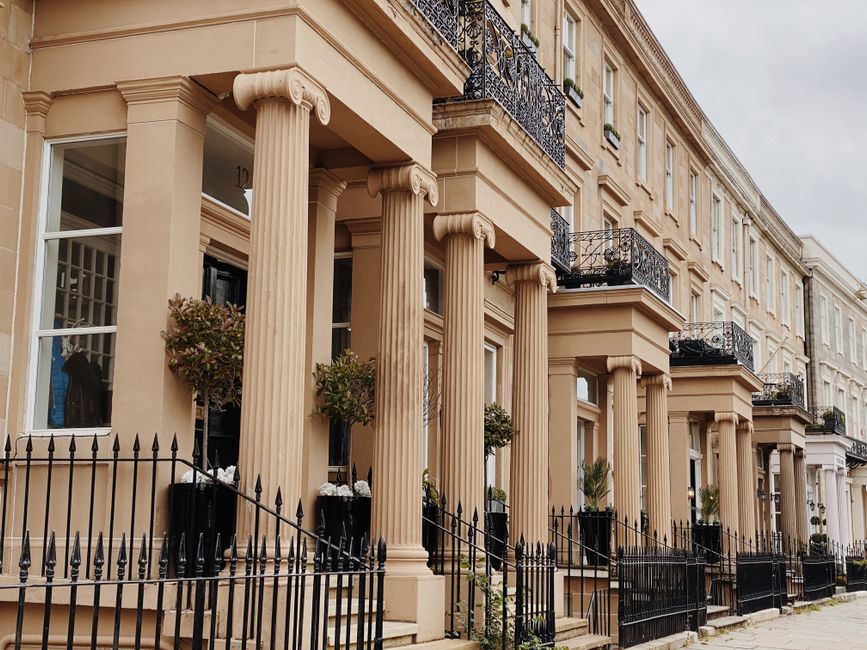
Georgian Barnsbury has a very particular visual language. The architecture tends to feel symmetrical, calm, and proportioned. That means wedding flowers near Colebrooke Row need to do a slightly different job than flowers for a modern warehouse, a country barn, or a heavily themed venue. They need to complement clean lines and elegant rooms, often with fireplaces, mouldings, tall windows, and a sense of heritage that deserves respect.
The right flowers can make a room feel warmer, more intimate, and more personal without losing that period charm. The wrong flowers can look like they arrived from somewhere else entirely. Too much colour, too much height, or too many competing textures can overpower a Georgian interior. The room stops feeling graceful and starts feeling busy. Nobody wants that, especially on a day when every small visual choice is being photographed from ten different angles.
It also matters because Barnsbury weddings often sit somewhere between formal and relaxed. You may want elegance, but not stiffness. You may want romance, but not a hotel-lobby arrangement. Colebrooke Row wedding flowers that suit Georgian Barnsbury usually sit in that middle ground: tailored, soft, and thoughtful. A bit like a beautifully cut jacket worn with a silk scarf. Not overdone. Just right.
Expert summary: If the building has heritage detail, let the flowers echo it. Use shape, texture, and a restrained palette to create harmony rather than contrast for the sake of contrast.
How Colebrooke Row wedding flowers that suit Georgian Barnsbury Works
The idea is simple: match the floral design to the building's character, the light in the space, and the flow of the day. In Georgian homes and townhouses, natural daylight is often flattering but not always abundant, especially in deeper rooms. That means flowers need enough presence to read well in person and in photos, but not so much mass that they block sightlines or crowd the table.
A good florist starts by looking at scale. A petite bouquet with lilac and white may be perfect for an intimate civil ceremony, while a larger reception in a panelled room may need lush centrepieces with more height and visual structure. Next comes colour. Soft whites, blush pinks, dusky purples, cream, sage, and gentle green usually feel at home in Georgian settings. Stronger tones can work too, but they are often best used in smaller doses.
Then comes flower choice. Roses, lisianthus, hydrangea, orchids, lilies, alstroemeria, and seasonal mixed stems can all be shaped into a style that feels classic rather than dated. The trick is in the composition. A bouquet with loose movement can still look disciplined if the stems are balanced and the colour story stays coherent. That's the bit people sometimes miss.
For local wedding planning, it also helps to think about logistics. Delivery times, table access, setup windows, and whether flowers need to move between ceremony and reception all affect what is realistic. A refined design that can be installed quickly may be more useful than something technically beautiful but awkward to place.
If you are already exploring wedding-specific products, it can be useful to browse options like wedding collections, bridal bouquets, or table arrangements to get a sense of what suits your style and budget.
Key Benefits and Practical Advantages
There are a few very real reasons why choosing flowers that suit Georgian Barnsbury pays off. The first is visual harmony. A setting like Colebrooke Row already has architectural confidence, so flowers do not need to shout. They should frame the space and soften it. When that happens, the whole venue feels more expensive, even if the floral recipe itself is relatively simple.
The second benefit is photography. Georgian interiors tend to photograph best when the details are elegant and not overcrowded. Florals with softer tones and cleaner silhouettes tend to work beautifully in natural light, especially around late afternoon when the light gets a little warmer and more forgiving. If you have ever seen a bouquet look glorious in the room but chaotic in photos, you will know what I mean.
The third advantage is flexibility. Flowers designed for this kind of venue can often be repurposed throughout the day. Bridesmaid bouquets can later dress the cake table. Ceremony arrangements can move to the top table. Buttonholes and corsages can be coordinated without looking matched in an obvious, old-fashioned way. That saves money and avoids waste. Fairly sensible, really.
Practical benefits often include:
- Better proportion in period rooms
- Cleaner, more timeless photographs
- Less visual clutter in small or medium spaces
- Better use of ceremony and reception flowers across the day
- A more cohesive guest experience
If you prefer a polished, classic finish, consider browsing refined styles such as white bridal bouquets, elegant wedding collections, or white rose arrangements.
Who This Is For and When It Makes Sense
This style is a strong fit if you are getting married in or around Barnsbury and want your flowers to feel considered rather than overly styled. It is especially useful for couples planning a townhouse ceremony, a small reception, an intimate dinner, or a venue with classic features like cornicing, sash windows, and pale walls. The architecture gives you a natural backdrop; your flowers just need to support it.
It also makes sense if you prefer longevity over trend-led drama. Some wedding flower styles age quickly in photos. Georgian-friendly designs tend to age better because they are rooted in proportion and palette, not novelty. That does not mean boring. Not at all. It means confident in a quieter way.
This approach is also a good choice if your guest list is modest and you want the flowers to feel warm rather than extravagant. You might not need huge urns or waterfall installations. A well-chosen bridal bouquet, a handful of table arrangements, and neat ceremonial accents can do a lot of work when the space itself already carries presence.
Choose this route if you are:
- Hosting a wedding in a Georgian townhouse or similar period venue
- Looking for a romantic but restrained floral look
- Working with a smaller space where scale matters
- Wanting flowers that photograph well in natural light
- Planning to reuse arrangements between ceremony and reception
If your style leans more playful, you can still use the same framework. Just add a little more colour or a more relaxed mix of stems. The bones stay the same; the mood shifts.
Step-by-Step Guidance
Here is a simple way to plan flowers for a Colebrooke Row wedding that suits Georgian Barnsbury without getting lost in endless Pinterest tabs and very enthusiastic mood boards.
- Start with the room. Look at the venue's architecture, ceiling height, light, and table layout. A beautiful arrangement in the wrong scale is still the wrong arrangement.
- Choose a mood first. Decide whether you want classic, romantic, fresh, or slightly luxurious. The mood should guide every floral choice after that.
- Set a palette. A Georgian setting often loves white, ivory, blush, pale peach, mauve, plum, and soft green. If you want stronger colour, use it with care and let one or two shades lead.
- Pick your hero flowers. Roses, hydrangeas, orchids, lilies, lisianthus, and seasonal mixed stems can all work. The best flower is the one that fits the room and the season, not just the one that is fashionable this week.
- Plan the main focal points. Usually that means the bridal bouquet, ceremony arrangement, table flowers, and personal flowers like buttonholes or corsages.
- Think about movement and reuse. Can the ceremony flowers move to the reception? Can one table arrangement be split into two smaller displays later? Good planning saves money and stress.
- Check logistics early. Delivery access, setup windows, and venue restrictions matter more than people think. Ask before you finalise the design, not after.
- Build in a backup plan. Weather, transport delays, and last-minute guest table changes happen. A florist who knows how to adapt is worth their weight in peonies, honestly.
A useful rule of thumb: if the venue already feels elegant, the flowers should feel edited, not abundant for abundance's sake. That one idea alone saves a lot of awkward choices.
Expert Tips for Better Results
After seeing enough weddings in period rooms, a few patterns become very clear. Small decisions make a big difference. Sometimes the difference is subtle, but it shows.
1. Use texture to add depth, not volume. In Georgian interiors, layered petals, soft greenery, and gently varying bloom sizes often look richer than huge statement flowers. Texture gives the arrangement life without turning it into a visual block.
2. Keep the bouquet shape balanced. A bouquet can be loose and romantic, but it should still have a clear form. Too much asymmetry can look accidental in a formal setting. A little structure goes a long way.
3. Match the flower tone to the light. North-facing rooms can swallow pale flowers if they are too flat. South-facing or brighter rooms can handle more softness. If the room is dim, slightly deeper blush, mauve, or green can read better than very pale cream.
4. Be careful with height. Tall arrangements can be stunning, but only if they do not block people talking across the table. Georgian hospitality is about conversation as much as style. No one wants to peer round a floral tower to find the bread basket.
5. Use scent wisely. A little fragrance can be lovely. Too much can be overpowering indoors, especially in a smaller reception room. If you are scent-sensitive, say so early.
6. Ask for seasonal substitutions. If one flower is unavailable or out of budget, a good florist can often suggest a substitute that preserves the look. This is one place where flexibility really helps.
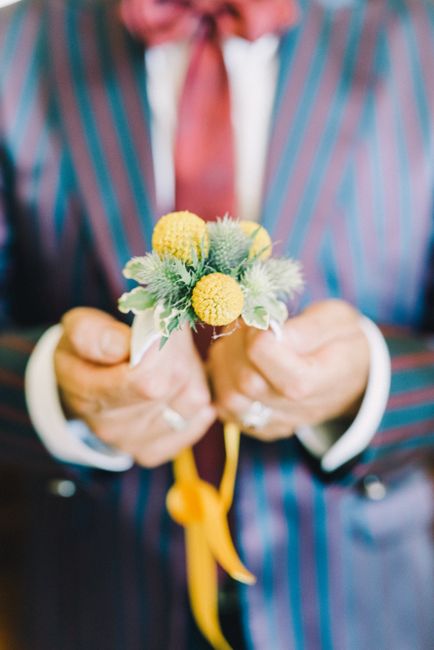
For practical product inspiration, options such as bridal bouquet collections, bridesmaid bouquet styles, and buttonholes can help you build a coordinated set without overcomplicating the brief.
Common Mistakes to Avoid
The biggest mistake is treating the venue as a blank canvas when it is actually already full of character. Georgian Barnsbury does a lot of the work for you. If you pile on oversized flowers, clashing colours, metallic extras, and too many decorative elements, the room starts to lose its shape. Less can really be more here. That sounds like a cliche, but in this case it is just true.
Another common issue is ignoring proportion. A tiny bouquet in a grand room can disappear. A giant display in a modest room can feel a bit theatrical, and not in the good way. Scale matters at every point: bouquet, buttonhole, table centrepiece, and ceremony arrangement.
People also sometimes forget that wedding flowers need to function, not only look beautiful. If arrangements are difficult to carry, unstable on the table, or impossible to move between areas, they create stress on the day. Beautiful and practical should be the same thing, or at least close enough.
Here are a few mistakes worth avoiding:
- Using too many unrelated colours
- Choosing flowers that fight the room's style
- Overstuffing small tables
- Forgetting about setup and move times
- Picking arrangements that are hard to repurpose
- Leaving buttonholes and personal flowers until the last minute
A smaller mistake, but still annoying: not asking how flowers will hold up through the day. Heat, transport, and timing can affect freshness. If a florist talks you through care and delivery, that is a good sign, not an upsell.
Tools, Resources and Recommendations
You do not need a giant planning system to get wedding flowers right. You do need a few reliable reference points. Start with your venue notes, guest list, table plan, and a basic mood board. Even a simple folder of saved images can help if it is organised. One image for bouquet shape, one for colour, one for table style. That is enough to begin with.
For product planning, it helps to look at ranges that already speak the language of weddings and formal occasions. You can browse wedding collection options, corsages, and wedding gifts if you want to coordinate the wider look of the day.
If you are building a floral brief, these tools and resources are useful:
- Venue measurements: helpful for table scale and install planning
- Guest table count: determines how many centrepieces you need
- Colour references: fabric swatches, stationery, or outfit photos
- Delivery timing: especially important if setup windows are tight
- Flower care guidance: useful for keeping bouquets and arrangements fresh on the day
You may also want to check practical site pages like delivery information, flower care guidance, and contact details if you are confirming timings or asking a question before booking.
Law, Compliance, Standards, or Best Practice
For wedding flowers, the main compliance issues are usually practical rather than highly technical. The most important thing is to work within the venue's rules and your florist's normal operating standards. That often means agreeing delivery access, setup time, permitted materials, and any restrictions on candles, water vessels, hanging installations, or adhesives. Different venues can be quite specific, and fair enough too.
If you are planning flowers for a listed or heritage-style building, or for a venue with strict internal policies, ask what is allowed before design work is finalised. This avoids last-minute swaps and rushed compromises. It is also wise to check whether arrangements need protection for floors, whether florist access is limited, or whether a coordinator must be present during setup.
Best practice also means clear communication about flower freshness, substitutions, and timing. A reputable florist should explain what happens if a seasonal flower is unavailable and how the overall design will be preserved. That is especially useful for wedding flowers, where consistency matters and nobody wants surprises on the morning.
If sustainability matters to you, ask about foam-free techniques, reusable vessels, and local sourcing where possible. Not every arrangement needs to be built the same way, and better methods are increasingly common. For a deeper look at responsible practice, you can also review the company's sustainability information and service guarantees.
In short: keep the brief clear, check venue rules early, and make sure the floral plan supports the day rather than complicating it. That is the standard that matters.
Options, Methods, or Comparison Table
Not every Colebrooke Row wedding needs the same floral treatment. Some couples want a refined, all-white look; others want colour with a little more energy. The table below compares a few common approaches and how they tend to work in Georgian Barnsbury.
| Floral style | Best for | Strengths | Watch-outs |
|---|---|---|---|
| White and green classic | Formal Georgian rooms, elegant city weddings | Timeless, clean, photograph-friendly | Can feel flat if texture is not varied |
| Blush romantic | Intimate ceremonies, soft interiors | Warm, flattering, very versatile | Needs enough contrast in low light |
| Dusky mixed palette | Couples wanting character without excess | Rich, layered, sophisticated | Too many tones can make it messy |
| Statement colour accents | Modern-romantic couples in period venues | Memorable, energetic, personal | Needs careful balance to suit the architecture |
| Lush seasonal arrangement | Receptions with flexible styling | Natural, abundant, adaptable | Requires good scale control |
If you are not sure which route suits you, start with the room first, then the outfit, then the stationery. That order helps more than people expect. It keeps the design anchored to the actual wedding, not just to an inspiration board.
Case Study or Real-World Example
Picture a small ceremony near Colebrooke Row in a Georgian townhouse with pale walls, a narrow staircase, and a reception room that gets lovely afternoon light but not much of it earlier in the day. The couple wants something romantic, but they also want the flowers to feel grown-up, not overly soft or sugary.
Instead of going for a huge mixed arrangement, they choose a white-and-blush palette with roses, lisianthus, and a little structured greenery. The bridal bouquet is rounded and elegant, with enough movement to feel natural. The buttonholes are simple and tailored. On the tables, smaller arrangements are grouped rather than spread thinly, which keeps the room feeling open.
What changed the result was not just the flowers themselves, but how they were used. The ceremony flowers later moved to the dining area, giving the room a second life without buying twice as much product. A couple of stems were placed at the cake table, and the whole evening felt connected. Nothing shouted. Everything belonged.
That is usually the sweet spot for Georgian Barnsbury: polished, cohesive, and calm with a little romance underneath. A guest may not be able to name exactly why it works, but they will feel it. And that is often what people remember most.
Practical Checklist
Use this checklist when planning your flowers. It keeps the process grounded and helps you avoid the usual last-minute scramble.
- Confirm venue style and room size
- Decide on the main mood: classic, romantic, fresh, or luxurious
- Choose a palette that suits Georgian architecture
- Check bouquet scale against dress and ceremony setting
- List all required items: bouquet, buttonholes, corsages, centrepieces, ceremony flowers
- Ask whether arrangements can be reused later in the day
- Confirm delivery and setup timings
- Ask about flower substitutions if a stem is unavailable
- Review care instructions for bouquets and table flowers
- Check venue restrictions on water, candles, installations, or adhesives
- Make sure your florist understands the tone you want: elegant, not overworked
- Keep a backup contact number on the day
If you can tick all of those off, you are in a very good place. Not perfect, maybe. Weddings rarely are. But well planned? Absolutely.
Conclusion
Colebrooke Row wedding flowers that suit Georgian Barnsbury work best when they respect the room, the light, and the sense of heritage already built into the setting. The aim is not to overwhelm the architecture. It is to enhance it with flowers that feel elegant, confident, and softly romantic. That might mean white roses, blush stems, layered greenery, or a carefully edited mix of seasonal blooms. Sometimes it is the quieter choices that make the biggest impact.
If you keep one thing in mind, let it be this: scale and restraint matter as much as colour. Get those right, and the flowers will feel like they were meant for the space all along. That is the kind of result that looks beautiful in the moment and still feels right years later when you look back at the photographs. Lovely stuff, really.
Get a free quote today and see how much you can save.
And if you are still deciding, that is perfectly normal. Start with the room, trust your instincts, and let the flowers do what good flowers do best: make the whole day feel more like you.
Frequently Asked Questions
What flowers suit a Georgian Barnsbury wedding best?
Roses, lisianthus, hydrangeas, orchids, lilies, and soft seasonal mixed stems often work beautifully. The key is choosing flowers that feel balanced and elegant rather than overly busy.
Should wedding flowers be white for a Georgian venue?
Not necessarily. White and green is a classic choice, but blush, mauve, soft peach, and muted mixed palettes can also suit Georgian interiors very well. The building's style matters more than one fixed colour rule.
How many flowers do I need for a small wedding in Barnsbury?
That depends on your tables, guest count, and whether flowers are moving between ceremony and reception. A small wedding may only need a bouquet, a few buttonholes, and a handful of table arrangements, but it is best to plan around the room rather than the guest list alone.
Are big floral arrangements a bad idea in Georgian rooms?
Not at all, but they need proportion. Large arrangements can work if the room is spacious and the design is carefully scaled. The risk is overcrowding the space or blocking conversation at tables.
Can I reuse ceremony flowers at the reception?
Yes, and it is often a smart move. Reusing arrangements saves money and helps create a consistent look throughout the day. Just make sure the setup plan allows time for the move.
What is the best bouquet shape for this style of wedding?
A balanced, softly rounded bouquet or a loose garden-style bouquet tends to suit Georgian Barnsbury very well. Too much wild asymmetry can look out of place unless the whole wedding design is intentionally relaxed.
How far in advance should I book wedding flowers?
As early as you reasonably can, especially if your date falls in a busy season. Earlier booking gives you more choice, more time to refine the design, and less stress closer to the day.
Do I need buttonholes and corsages as part of the floral plan?
Not always, but they help tie the whole wedding together. They are especially useful if you want a polished, coordinated finish without adding lots more large arrangements.
What should I tell my florist about the venue?
Share the room style, table layout, access details, and any restrictions from the venue. If you have photos, even better. A florist can plan much more accurately when they understand the space.
How can I make my flowers feel elegant without overspending?
Focus on fewer, better-placed arrangements and choose flowers that do more visually. Reusing ceremony flowers, keeping the palette tight, and using seasonal stems are all sensible ways to stay on budget without losing style.
Are scented flowers a good idea indoors?
They can be, but use them carefully. In a smaller Georgian room, strong scent can become a bit much. A light fragrance is lovely; an overpowering one is less so.
What if a flower I want is out of season?
A good florist should suggest a substitute that keeps the overall look and feel intact. Seasonal flexibility is normal, and often the substitute ends up looking even better in the space.


